Foods Your Kids Should (And Should Not) Be Eating
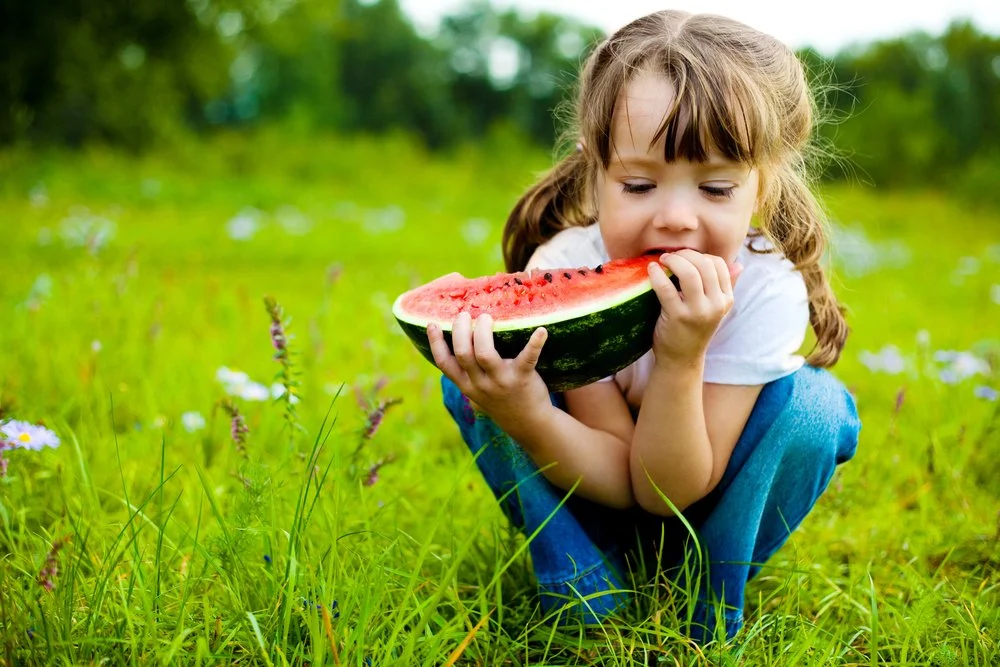
Every parent wants to support their child’s health, but figuring out what actually belongs in a child’s diet can sometimes feel confusing. Grocery store shelves are full of snacks, drinks, and convenience foods that claim to be “healthy,” yet many contain hidden ingredients like added sugars, corn syrup, or unhealthy fats.
The good news is that building healthy eating habits for kids doesn’t require perfection. By focusing on healthy foods for kids, balanced meals, and smart snack choices, parents can help support their child’s growth and development, energy levels, and overall well-being.
Foods Kids Should Be Eating More Often
A healthy diet for children focuses on whole, nutrient-rich foods that provide the important nutrients needed for proper growth and development.
Fruits and Vegetables
Fruits and vegetables should be a regular part of meals and snacks. These foods provide vitamins, fiber, antioxidants, and other nutrients that support immune function and long-term health.
Great options include:
Fresh fruit like apples, berries, oranges, and bananas
Frozen fruit, which retains most nutrients and works well in smoothies
Canned fruit packed in water or natural juice
A variety of colorful vegetables such as carrots, broccoli, cucumbers, and spinach
These healthy food choices can be served as snacks, added to meals, or blended into smoothies.
Even dried fruits can be helpful in moderation, although they tend to contain more concentrated sugar content than fresh options.
Whole Grains
Whole grains provide fiber and steady energy that growing kids need.
Good examples include:
Whole wheat bread
Oatmeal
Brown rice
Whole-grain pasta
Compared to refined grains, whole grains help children stay full longer and support healthy digestion.
Lean Proteins
Protein is essential for growth and development, muscle health, and sustained energy.
Nutritious protein sources include:
Chicken
Lean meat
Eggs
Beans and lentils
Nuts and chopped nuts (for older children who can safely chew them)
These foods supply key nutrients that help support children’s development and active lifestyles.
Dairy and Calcium-Rich Foods
Calcium plays an important role in bone health during childhood.
Healthy sources include:
Milk
Cheese
Yogurt
Fortified soy beverages for children who do not consume dairy
Choosing low fat dairy options may be appropriate for some families, depending on their pediatrician’s recommendations.
Healthy Snacks Kids Will Actually Eat
Snacks can be an important part of a balanced diet, especially for active children.
Instead of heavily processed foods, consider options such as:
Fruit with yogurt
Whole-grain crackers with cheese
Apple slices with nut butter
Homemade trail mix with nuts and dried fruit
Even packaged items can work if parents check nutrition labels carefully.
For example, a granola bar may seem healthy, but some varieties contain high levels of added sugars, trans fats, or artificial ingredients. Always check nutrition labels to understand sugar content and calorie levels better.
Foods Kids Should Eat Less Often
While no food needs to be completely off-limits, some unhealthy foods should be limited because of their harmful effects on children’s health.
Sugary Drinks
One of the biggest contributors to excess sugar in children’s diets is sweetened beverages.
These include:
Sugary drinks like soda and sweetened teas
Sports drinks
Energy drinks
Many of these beverages contain large amounts of added sugars, which can lead to sugar overload, tooth decay, and even weight gain over time.
Even fruit juice should be limited because it can still contain high sugar content without the fiber found in whole fruit.
Water and milk are usually better choices.
Highly Processed Foods
Many packaged snacks fall into the category of processed foods, which may contain unhealthy ingredients such as:
Trans fats
Saturated fat
Artificial additives
High amounts of sodium
Examples include:
French fries
Corn chips
Packaged snack cakes
Some frozen meals
While these foods can be enjoyed occasionally, relying on them too often can increase the risk of long-term health problems such as high blood pressure, heart disease, and excessive weight gain.
Processed Meats
Foods like hot dogs and certain deli meats are often high in sodium and saturated fat.
Eating these foods regularly may increase the risk of certain health problems, so they are best enjoyed in moderation as part of a varied diet.
Artificial Sweeteners and Added Sugar
Some products marketed as “sugar-free” use artificial sweeteners instead.
While these may reduce calories, experts still recommend limiting highly sweetened foods in general so children don’t develop a preference for overly sweet flavors.
Teaching kids to enjoy naturally sweet foods like fruits can help prevent too much sugar in their daily diet.
Foods That Require Extra Caution
Some foods may pose a choking risk for younger children.
Examples include:
Whole nuts
Hard candies
Large chunks of raw vegetables
Parents should prepare certain foods appropriately for age—such as chopping nuts finely or cutting grapes into small pieces.
Helping Kids Build Healthy Eating Habits
Creating long-term healthy eating habits is about more than simply choosing the right foods. It also involves shaping positive attitudes toward eating and nutrition.
Helpful strategies include:
Offer Balanced Meals
Try to include a variety of food groups at each meal:
Fruits and vegetables
Grains
Protein sources like eggs, chicken, or beans
Dairy products such as milk or cheese
This approach helps children receive the important nutrients they need for healthy development.
Let Kids Help With Food Choices
Involving children in grocery shopping and meal preparation can make them more interested in eating healthy foods.
Let them help pick out new fruits or vegetables, or assist with simple cooking tasks.
Model Healthy Choices
Children learn a lot from watching the adults around them. When parents prioritize healthy food, kids are more likely to adopt those healthy choices themselves.
Focus on Balance, Not Perfection
No child eats perfectly all the time. Occasional treats are part of normal life.
The goal is to build consistent habits that support overall health, not to eliminate every indulgence.
When to Seek Nutrition Guidance
If parents have concerns about their child’s diet, growth, or eating habits, it may be helpful to consult a pediatrician or registered dietitian.
These professionals can provide personalized recommendations based on a child’s age, calories needs, activity level, and overall health status.
Supporting Your Child’s Long-Term Health
Helping children learn how to eat well early in life can have lasting benefits. By encouraging healthy foods for kids, limiting unhealthy foods, and focusing on balanced meals and snacks, parents can support their child’s well-being, energy levels, and lifelong health. Small, consistent, healthy food choices today can make a meaningful difference in a child’s future.
Looking for personalized guidance on your child’s nutrition and healthy eating habits?
Schedule your free membership consultation to learn how our pediatric care team supports your child’s growth, development, and long-term health.
This article is intended for informational and educational purposes only and does not constitute medical advice, diagnosis, or treatment. Always seek guidance from a qualified healthcare professional regarding any questions or concerns about your health or your child’s health.