Breaking Down Your Child’s Vaccine Schedule
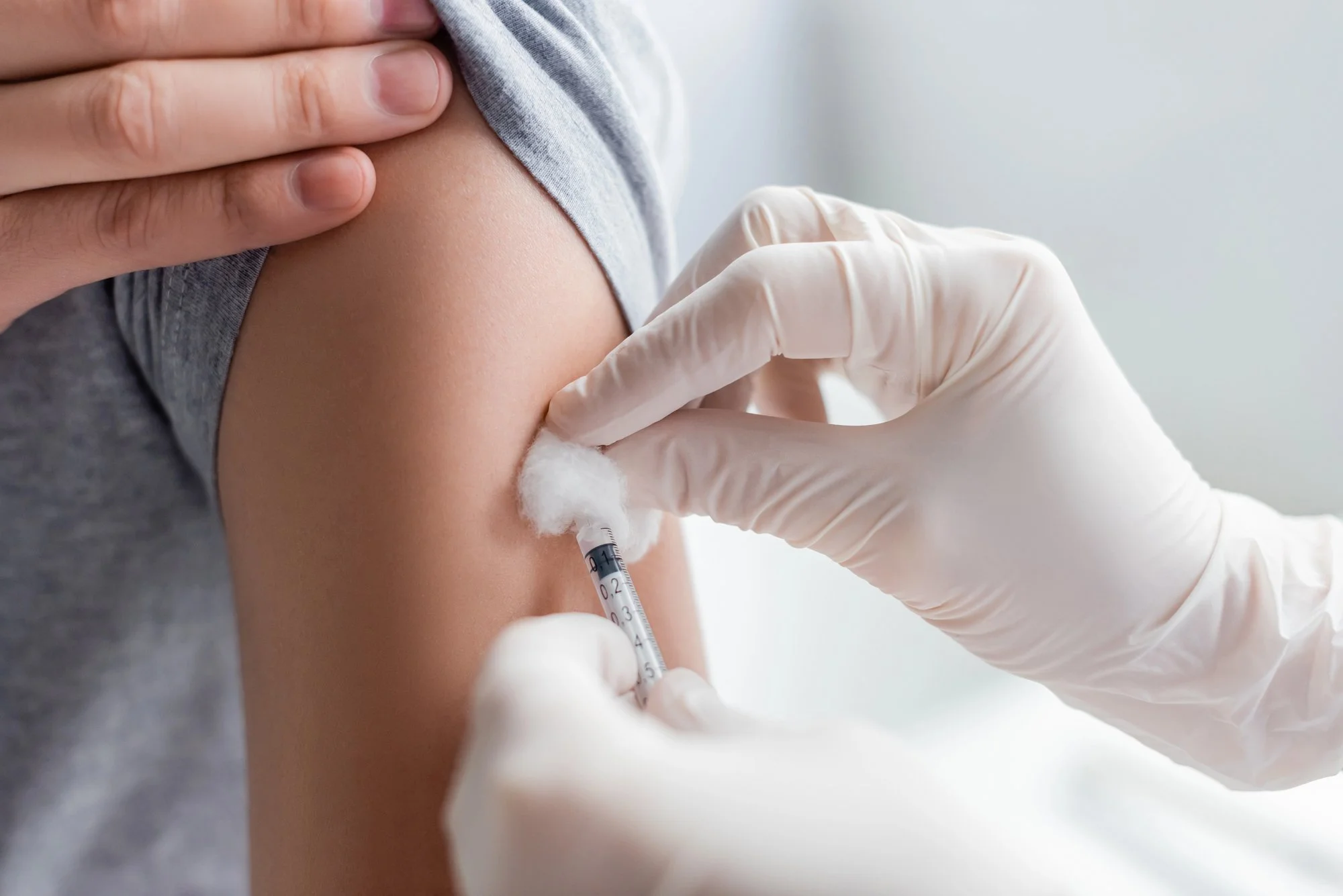
For many parents—especially those welcoming their first child—the child vaccine schedule can feel overwhelming. Between newborn visits, growth milestones, and early development, you may also hear about multiple vaccines, different dose series, and follow-up appointments.
At Discover Health, we believe parents deserve clear explanations and thoughtful guidance when it comes to their child’s healthcare. Understanding the childhood vaccine schedule can help you feel confident about how vaccines protect children from serious diseases and why certain immunizations are recommended at specific ages.
Below, we break down how the childhood immunization schedule works and what families should know.
Why Childhood Vaccines Matter
Vaccines are designed to protect children from vaccine-preventable diseases that once caused widespread illness and death. Before routine immunizations were introduced, infections such as measles, whooping cough, and pneumococcal disease were common causes of hospitalization and complications in children.
Today, recommended childhood vaccines help prevent infections that can lead to:
Brain swelling caused by measles
Blood poisoning linked to invasive bacterial infections
Liver failure and liver cancer from chronic viral infections
Severe respiratory disease in infants and young children
Because a child’s immune system is still developing, early vaccination provides critical protection during the years when children are most vulnerable.
National experts review ongoing data on disease control, safety, and effectiveness to create the official immunization schedule used by pediatricians and family physicians across the country.
Understanding the Childhood Immunization Schedule
The AAP schedule (developed by the American Academy of Pediatrics and public health agencies) outlines when vaccines recommended for children should be given, beginning at birth and continuing through adolescence.
The childhood vaccine schedule is carefully timed to provide protection when children are most at risk while ensuring the immune system responds effectively.
Many vaccines require one or more doses spread across a series. These doses are spaced according to the minimum intervals required for the body to build long-lasting immunity.
If a vaccine appointment is missed, health care providers can often follow a catch-up schedule or catch-up vaccination plan so children remain covered.
Vaccines Given in the First Year of Life
Several vaccines are recommended during the first months of life, when infants are especially vulnerable to infection.
Hepatitis B
The hepatitis B vaccine is typically the first childhood vaccine given, often within 24 hours after birth. This vaccine protects against the hepatitis B virus, which can cause long-term liver infection, liver failure, and even liver cancer later in life.
The vaccine is administered in a series, usually beginning with infants born in the hospital and completed within the first year.
Pneumococcal Vaccination
Pneumococcal vaccines protect against pneumococcal disease, a bacterial infection that can lead to pneumonia, bloodstream infections, or blood poisoning.
These vaccines are particularly important for children younger than two years old and for those with certain risk factors, including chronic lung disease, HIV infection, or anatomic or functional asplenia.
Haemophilus Influenzae Type B (Hib)
Despite the confusing name, Haemophilus influenzae type B is a bacterial infection that once caused life-threatening meningitis and severe infections affecting the brain and spinal cord.
Routine Haemophilus influenzae type B vaccination has dramatically reduced these illnesses.
Inactivated Poliovirus Vaccine
The inactivated poliovirus vaccine protects against polio, a virus that can damage nerves and lead to paralysis.
Polio vaccination remains part of the childhood immunization schedule to prevent a return of the disease.
Vaccines for Toddlers and Young Children
As children grow, additional vaccines help maintain immunity and protect against other infectious diseases.
Measles, Mumps, and Rubella (MMR)
The measles, mumps, and rubella (MMR) vaccine protects against three viral illnesses.
Measles can cause pneumonia and brain swelling.
Mumps may lead to hearing loss.
Rubella, also known as German measles, can cause severe birth defects if infection occurs during pregnancy.
The vaccine is typically given in 2 doses during early childhood.
Hepatitis A
The hepatitis A vaccine protects against a virus that affects the liver. Although often mild in children, hepatitis A can still lead to significant illness and outbreaks.
Vaccination helps prevent transmission within families and communities.
Protection Against Respiratory and Seasonal Illnesses
Some vaccines protect against respiratory infections that circulate regularly in the community.
Flu Vaccine
The flu vaccine is recommended annually because influenza viruses evolve. Annual vaccination helps protect healthy children and vulnerable family members, including pregnant women and older adults.
RSV Vaccine
Respiratory syncytial virus (RSV) is a common cause of severe respiratory illness in infants.
New prevention strategies, including the RSV vaccine and other immunizing agents, are sometimes recommended during RSV season, particularly for infants at high risk or those with chronic lung disease.
Your pediatrician or healthcare provider can help determine whether RSV prevention is appropriate for your child.
Vaccines for Older Children and Adolescents
As children enter adolescence, the adolescent immunization schedule includes several additional vaccines.
HPV Vaccine
The HPV vaccine protects against human papillomavirus, a common virus that can lead to certain cancers later in life.
HPV vaccination typically begins in the pre-teen years and may require 1 or 2 doses, depending on the age at vaccination.
Meningococcal Vaccines
Meningococcal disease is a rare but serious infection that can cause meningitis or bloodstream infections.
Vaccination is especially important for certain high-risk groups, including:
Teens living in dormitories
First-year college students
Individuals with immune system conditions
In some cases, additional MenB vaccines may be considered through shared clinical decision making between families and health care providers.
These vaccines help protect against epidemic meningococcal disease, which can spread quickly in close living environments.
Special Situations and High-Risk Groups
Some children may require additional vaccines.
For example, children with high-risk medical conditions, such as HIV infection, chronic lung disease, or immune disorders, may need additional doses or adjusted schedules.
Similarly, children traveling to areas with endemic dengue transmission may require special travel vaccines.
Your child’s health status, travel plans, and individual risk factors all play a role in determining the most appropriate vaccination plan.
What Happens If a Vaccine Is Missed?
Life gets busy, and sometimes vaccine appointments are delayed.
Fortunately, pediatricians can create a catch-up vaccination plan using a catch-up schedule to ensure children remain protected without restarting the entire vaccine series.
These plans follow established guidelines, allowing children to safely complete their vaccinations while respecting recommended minimum intervals between doses.
Working With Your Pediatrician
Parents often have thoughtful questions about vaccines, and those conversations are an important part of pediatric care.
At Discover Health, we prioritize shared clinical decision making, giving families the time and information they need to understand the vaccine schedule and make informed decisions about their child’s health.
Our goal is simple: to ensure children stay protected while parents feel confident and supported every step of the way.
Supporting Your Child’s Long-Term Health
The childhood vaccine schedule is one of the most effective ways to prevent serious illness and protect both individual families and the broader community. By following the recommended childhood vaccines, children can remain protected against many infections that once caused widespread disease.
Confused about your child’s vaccine schedule? Get personalized guidance from a pediatrician who takes the time to walk you through every step. Explore our pediatric care services and schedule a no-pressure consultation today.
At Discover Health, we’re always here to help parents navigate their child’s healthcare with clarity, compassion, and trusted medical expertise.
This article is intended for informational and educational purposes only and does not constitute medical advice, diagnosis, or treatment. Always seek guidance from a qualified healthcare professional regarding any questions or concerns about your health or your child’s health.